
A university entrance exam

Japanese culture
251022155407213

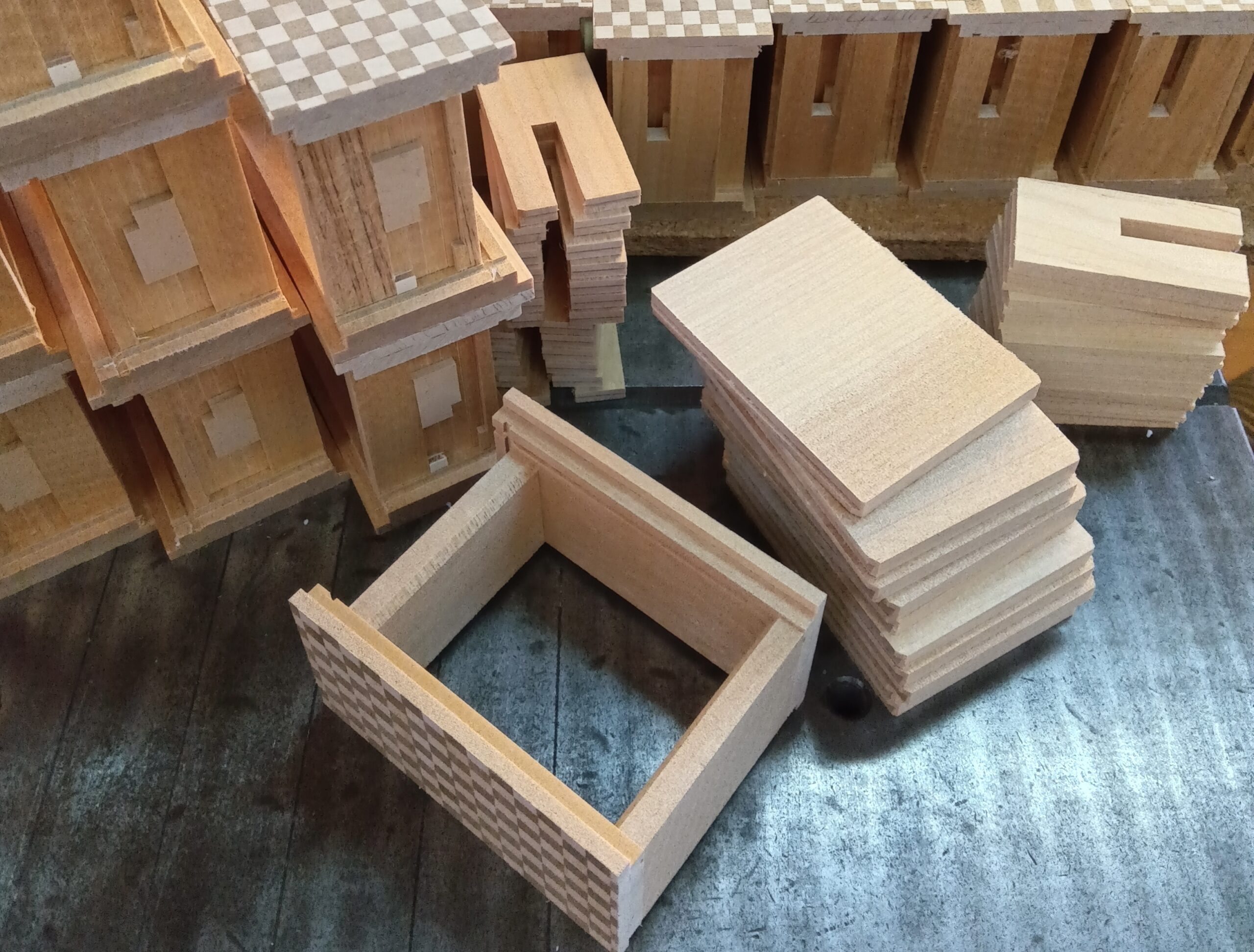
Today is sunny again from the morning, and the weather is calm and pleasant. I will go to the workshop today as well, but it will probably be in the afternoon. I would also like to do a little of the repair and maintenance work around the workshop that I started recently. On weekends, I often end up doing more non-production tasks like this. Still, if possible, I would like to at least work on the finishing process for the 5-sun puzzle boxes today.

Much of the news yesterday and today has been about the university entrance examinations being held across Japan today and tomorrow. This exam is called the Common Test for University Admissions, and it is used to measure academic ability and other skills needed to enter university. Over the years, the system has gone through many changes. At present, this test is mandatory for students who wish to enter national and public universities. For private universities, each school can decide how to use the test, but more and more private universities are now using it as part of their admission process. After taking this test, students applying to national and public universities must then take another entrance exam created by each individual university, making it a two-step selection process. For private universities, the decision is left to each individual school. Some universities allow admission based only on the Common Test, some do not use it at all, and others use a combination of the Common Test and their own entrance examinations.

The content of this university entrance test also seems to be changing little by little in recent years. In the past, it was very much a test of academic knowledge, and memorized knowledge was considered the most important. Recently, however, questions have begun to focus more on how students use that knowledge and skills, testing their thinking ability, judgment, and ability to express ideas. As a clear example of this change, a new subject called Information was added starting last year, in addition to traditional subjects such as Japanese, mathematics, and science. This subject includes questions about the information society and basic programming. Of course, students do not need to take all subjects. Out of a large group of 7 subject areas and 21 subjects in total, students applying to national and public universities take 6 subject areas and 8 subjects, while private universities require only the subjects set by each school.

This time of year is very hard for families with students taking entrance exams. They are very careful to make sure the students do not catch a cold or get sick. The students themselves often go to cram schools and study until late at night, so they are tired and more likely to feel unwell. Many parents become very tense and worried during this period. As has often been pointed out, entrance exams in Japan are held during the coldest time of winter, which makes it easier for students to get sick. This is also the season when influenza is most common. Since university admission is timed for the spring, this situation is hard to avoid. However, there are many discussions about whether Japan could change to an autumn admission system, around September, like universities in other countries. Still, because schools and companies in Japan all start in April, it seems very difficult to make such a change.

In addition, there are areas where a lot of snow has been falling, so disruptions to transportation are also a concern. Just yesterday, morning trains in Tokyo stopped due to a power outage, causing a lot of confusion. Of course, when such situations happen, exam schedules are adjusted, but worries never seem to end. Because of this, many students choose to stay at a hotel the night before the exam so that they can take the test without worrying about transportation problems. Today the weather is relatively calm, and it seems that the exams are being held without problems. I would like to cheer on all the students and wish them the very best today and tomorrow 🧐📖

Today is sunny again from the morning, and the weather is calm and pleasant. I will go to the workshop today as well, but it will probably be in the afternoon. I would also like to do a little of the repair and maintenance work around the workshop that I started recently. On weekends, I often end up doing more non-production tasks like this. Still, if possible, I would like to at least work on the finishing process for the 5-sun puzzle boxes today.

Much of the news yesterday and today has been about the university entrance examinations being held across Japan today and tomorrow. This exam is called the Common Test for University Admissions, and it is used to measure academic ability and other skills needed to enter university. Over the years, the system has gone through many changes. At present, this test is mandatory for students who wish to enter national and public universities. For private universities, each school can decide how to use the test, but more and more private universities are now using it as part of their admission process. After taking this test, students applying to national and public universities must then take another entrance exam created by each individual university, making it a two-step selection process. For private universities, the decision is left to each individual school. Some universities allow admission based only on the Common Test, some do not use it at all, and others use a combination of the Common Test and their own entrance examinations.

The content of this university entrance test also seems to be changing little by little in recent years. In the past, it was very much a test of academic knowledge, and memorized knowledge was considered the most important. Recently, however, questions have begun to focus more on how students use that knowledge and skills, testing their thinking ability, judgment, and ability to express ideas. As a clear example of this change, a new subject called Information was added starting last year, in addition to traditional subjects such as Japanese, mathematics, and science. This subject includes questions about the information society and basic programming. Of course, students do not need to take all subjects. Out of a large group of 7 subject areas and 21 subjects in total, students applying to national and public universities take 6 subject areas and 8 subjects, while private universities require only the subjects set by each school.

This time of year is very hard for families with students taking entrance exams. They are very careful to make sure the students do not catch a cold or get sick. The students themselves often go to cram schools and study until late at night, so they are tired and more likely to feel unwell. Many parents become very tense and worried during this period. As has often been pointed out, entrance exams in Japan are held during the coldest time of winter, which makes it easier for students to get sick. This is also the season when influenza is most common. Since university admission is timed for the spring, this situation is hard to avoid. However, there are many discussions about whether Japan could change to an autumn admission system, around September, like universities in other countries. Still, because schools and companies in Japan all start in April, it seems very difficult to make such a change.

In addition, there are areas where a lot of snow has been falling, so disruptions to transportation are also a concern. Just yesterday, morning trains in Tokyo stopped due to a power outage, causing a lot of confusion. Of course, when such situations happen, exam schedules are adjusted, but worries never seem to end. Because of this, many students choose to stay at a hotel the night before the exam so that they can take the test without worrying about transportation problems. Today the weather is relatively calm, and it seems that the exams are being held without problems. I would like to cheer on all the students and wish them the very best today and tomorrow 🧐📖
タイトルとURLをコピーしました